Hoan Kosugi: Painter of the Shotokan Tiger
Hoan Kosugi (1881–1964), prominent Western-style painter and president of the Tabata Poplar Club, was Master Gichin Funakoshi's very first karate student in Tokyo and the artist who created the iconic Shotokan Tiger
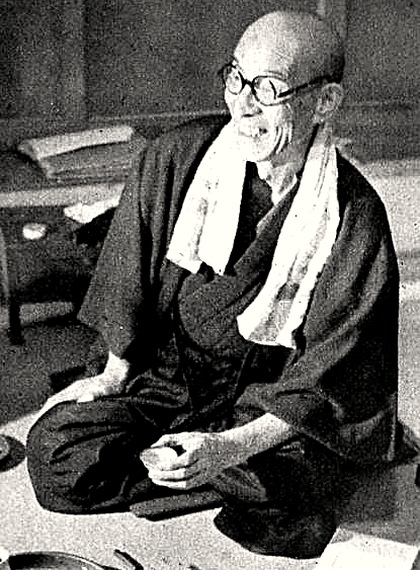
Archival Document • The Shotokai Encyclopedia Archive
Master Hoan Kosugi (1881 – 1964)
President of the Tabata Poplar Club • Creator of the Shotokan Tiger (Tora no Maki)
Primary Source Reference:
This biography is documented in the official publication "There Is No First Strike in Karate-do: English Translation of the Nihon Karate-do Shotokai Booklet" (Pages 6, 14, published May 16, 2023 by Nihon Karate-do Shotokai Central Headquarters Dojo Shotokan, 2-1-7 Kikukawa, Sumida-ku, Tokyo, Japan).
• Download Official English PDF Document
• View Official Announcement on Shotokai.jp (News #5329)
Master Hoan Kosugi (1881–1964)
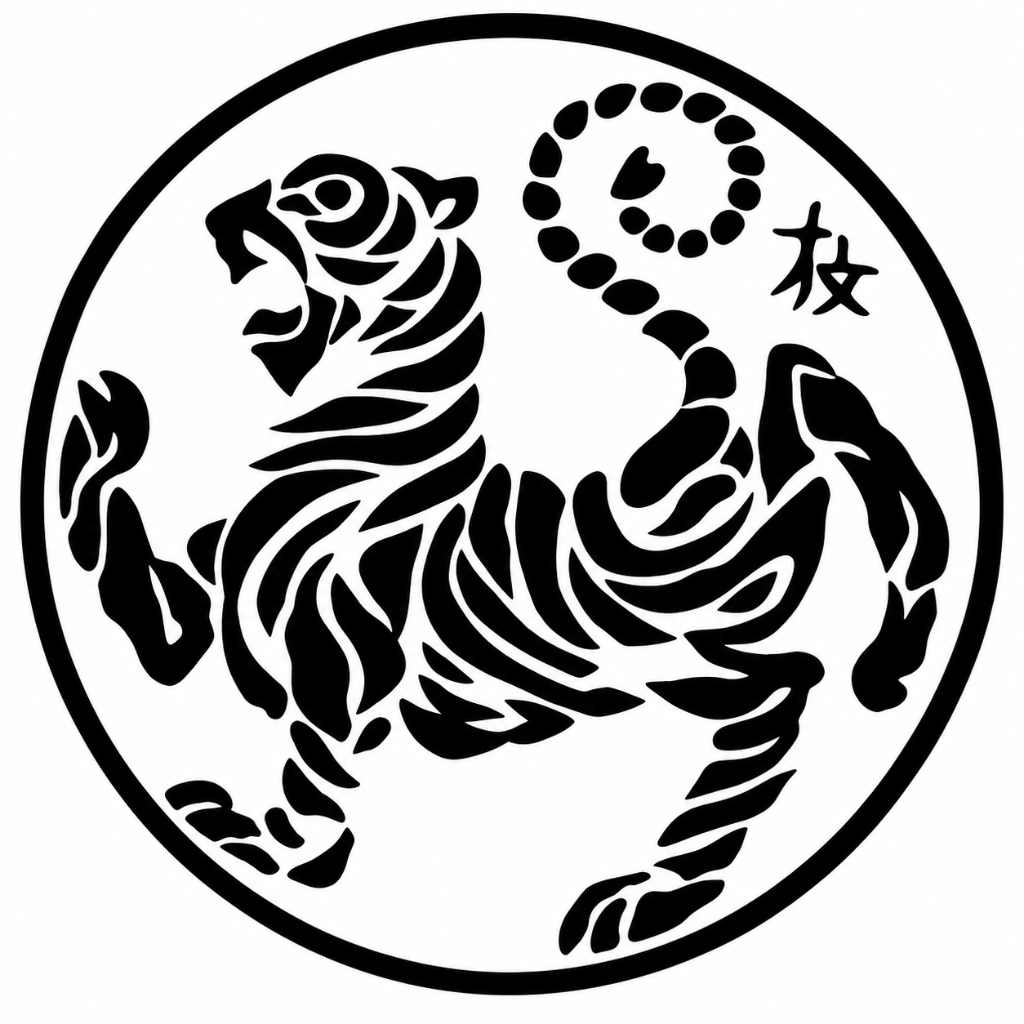 The Shotokan Tiger (*Tora no Maki*)
Master Funakoshi’s Very First Tokyo Student
In the spring of 1922, Master Gichin Funakoshi traveled from Okinawa to Tokyo to demonstrate Okinawan Tōde (Karate-jutsu) at the First National Physical Education Exhibition organized by the Ministry of Education at the Tokyo Higher Normal School (now University of Tsukuba).
Among the distinguished attendees was Hoan Kosugi (小杉 放庵, 1881 – April 16, 1964; birth name Kunitarō Kosugi), an acclaimed Western-style and Nihonga painter, poet, and cultural figure. Captivated by the grace, profound martial precision, and spiritual dignity of Funakoshi's demonstration, Kosugi approached the Okinawan master immediately and asked to become his student.
With that historic meeting, Hoan Kosugi became Gichin Funakoshi's very first registered karate pupil on the Japanese mainland.
The Tabata Poplar Club and Early Tokyo Training
At the time, Hoan Kosugi served as president of the Tabata Poplar Club (田端ポプラ倶楽部), an influential Bohemian salon located in the artists' quarter of Tabata in northern Tokyo. The Poplar Club gathered leading painters, sculptors, writers, and intellectuals who combined artistic experimentation with physical recreation, including tennis and martial arts.
Kosugi invited Master Funakoshi to use the Poplar Club grounds and facilities to teach karate to club members and curious scholars. This salon environment provided Master Funakoshi with crucial early social legitimacy in Tokyo’s intellectual circles at a time when Okinawan arts were largely unknown on the mainland.
The Birth of Karate’s First Modern Book: Ryūkyū Kenpō Karate
Beyond personal training, Hoan Kosugi played an indispensable historical role in convincing Master Funakoshi to document his art in writing. Kosugi told Funakoshi that if karate remained an oral secret confined to memory, it risked misinterpretation or extinction. He pledged full artistic and publishing assistance if the master would author a definitive textbook.
Funakoshi agreed, and in November 1922, the pioneering volume Ryūkyū Kenpō Karate (琉球拳法 唐手) was published in Tokyo by Bukyōsha. It was the first book on karate ever published in modern history.
The Conception of the Shotokan Tiger (Tora no Maki)
To accompany Master Funakoshi's groundbreaking text, Hoan Kosugi brushed an original watercolor and sumi-e illustration: a crouching tiger enclosed within a circular dynamic border, tail rising coiled in poised vigilance.
The emblem carried multifaceted layers of classical symbolism:
- Tora no Maki (虎の巻 - The Tiger Scroll): In Japanese cultural tradition, the phrase tora no maki designates the sacred scroll or foundational primer of martial strategy, derived from the classical Chinese military treatises of Sun Tzu and the Six Secret Teachings (Rikuto).
- Quiet Strength and Vigilance: The tiger does not roar or lunge recklessly; it crouches with coiled tension, calm, silent, and watchful. This visual metaphor directly mirrored Funakoshi's foundational precept: Karate ni sente nashi ("There is no first strike in karate").
- The Circular Border: The unending circle symbolizes spiritual wholeness, the void (kara), and mutual respect (rei), restraining raw physical ferocity within ethical bounds.
Kosugi’s tiger design appeared prominently on the cover and frontispiece of Funakoshi’s publications and later became the universal insignia of the Shotokan school worldwide.
Legacy and Friendship
Hoan Kosugi remained a devoted supporter and lifelong friend of Master Funakoshi. Even as karate expanded into major university dojos (Keio, Waseda, Chuo, Takushoku) and later saw the formal founding of Nihon Karate-do Shotokai, Kosugi’s initial leap of faith in 1922 provided the catalyst that introduced karate-do to Japan and the world.
Key Historical Data
- Born: December 30, 1881, Nikko, Tochigi Prefecture, Japan
- Died: April 16, 1964 (aged 82)
- Honors: Member of the Japan Art Academy, Order of the Sacred Treasure; Kosugi Hoan Memorial Nikko Museum of Art
- Martial Lineage: First disciple of Gichin Funakoshi in Tokyo (1922)
- Chief Contribution: Creator of the Shotokan Tiger (Tora no Maki); Facilitator of Ryūkyū Kenpō Karate (1922).