O-Sensei's Tiger Symbol: The Shotokan Tiger (Tora no Maki)
The history and classical symbolism of Master Gichin Funakoshi's personal tiger emblem (Tora no Maki), created by master painter Hoan Kosugi in 1922 for Ryukyu Kenpo Tode
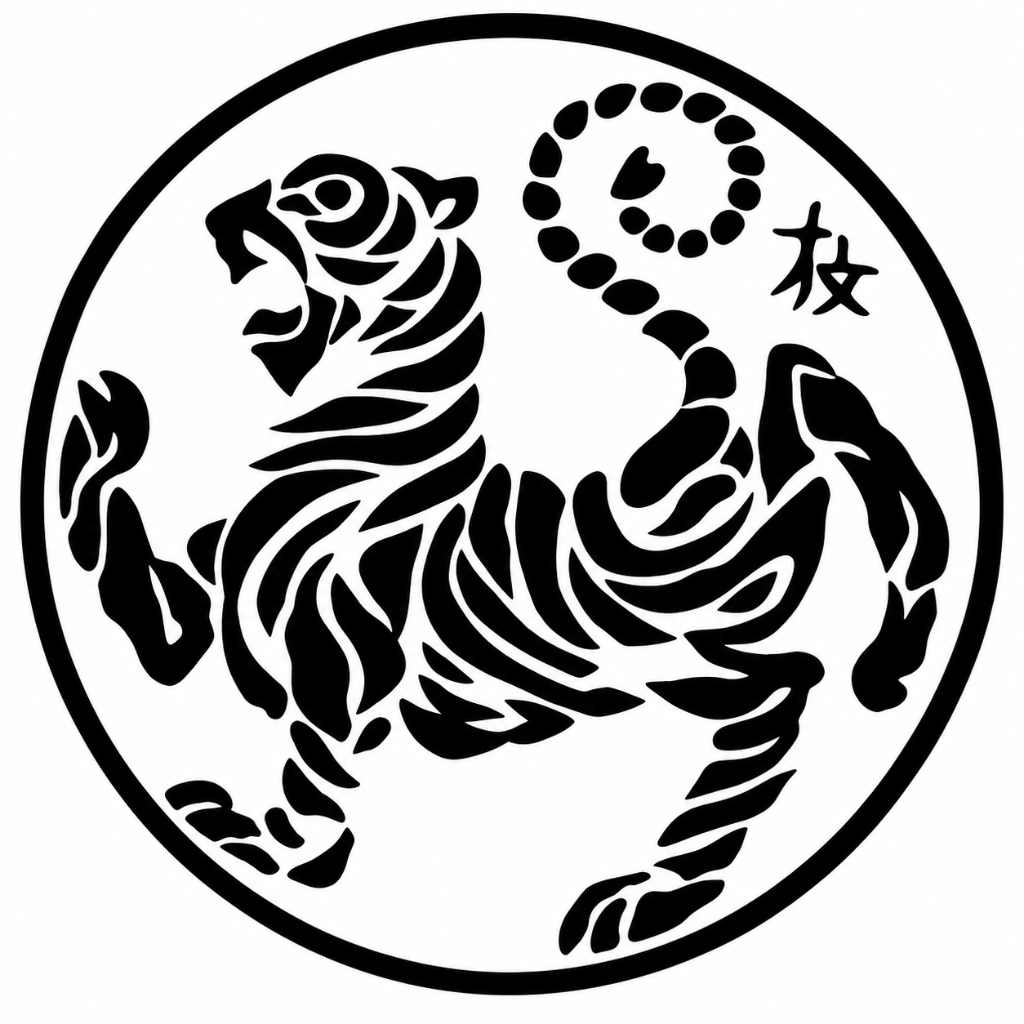
Archival Document • The Shotokai Encyclopedia Archive
The History of Master Funakoshi’s Personal Symbol
The Shotokan Tiger (Tora no Maki • 虎の巻)
Master Gichin Funakoshi’s first groundbreaking book, “Ryukyu Kempo: Tode”, was published in Tokyo by Bukyo-Sho in November 1922. It included a collection of introductory prologues authored by some of the most prominent civil and intellectual figures in Japan and Okinawa at the time.
For the cover of this historic volume, Master Funakoshi’s close friend and first Tokyo pupil, the acclaimed painter Hoan Kosugi (1881–1964), designed the distinctive circular tiger emblem that would forever symbolize Master Funakoshi’s Karate-do.
Origin and Classical Symbolism
Kosugi drew inspiration from the traditional Japanese idiom Tora no Maki (虎の巻), literally meaning “The Tiger Scroll.” In classical Japanese literature and martial strategy (originating in ancient military treatises like the Six Secret Teachings), a tora no maki designates the definitive, authoritative master scroll or reference manual that sets down the core doctrine of an entire system. Thus, Ryukyu Kempo: Tode was to be the Tora no Maki of Karate-do.
Furthermore, Kosugi observed that Master Funakoshi moved with the poised, silent grace, vigilance, and explosive alertness characteristic of a great feline.
The design embodies deep Budo principles:
- Quiet Vigilance: The tiger does not roar or attack wildly; it remains coiled in calm readiness, echoing Funakoshi’s foundational maxim: Karate ni sente nashi (“There is no first strike in karate”).
- The Enclosing Circle: The circular border represents ethical containment, spiritual wholeness, and mutual respect (Rei), restraining primal ferocity within philosophical discipline.
Historical Transmission
Upon Master Funakoshi’s passing in 1957, this cherished personal emblem, along with his historical writings and personal records regarding Karate-do, were bequeathed to Shotokai in accordance with the Master’s and his family’s explicit wishes.
Related Historical Articles: